Chad Thompson Producer

Chad Thompson

Chad Thompson, co-founder of Monkey C Media, offers professional photography and videography services. He has an eye for detail and a command of lighting that gives him the ability to show his subjects at their very best. You can count on seeing Chad around South Park on his bicycle with a camera slung over his shoulder. If he has never taken a picture of you, chances are good you have never met him.

Appears in 84 Episodes

#120

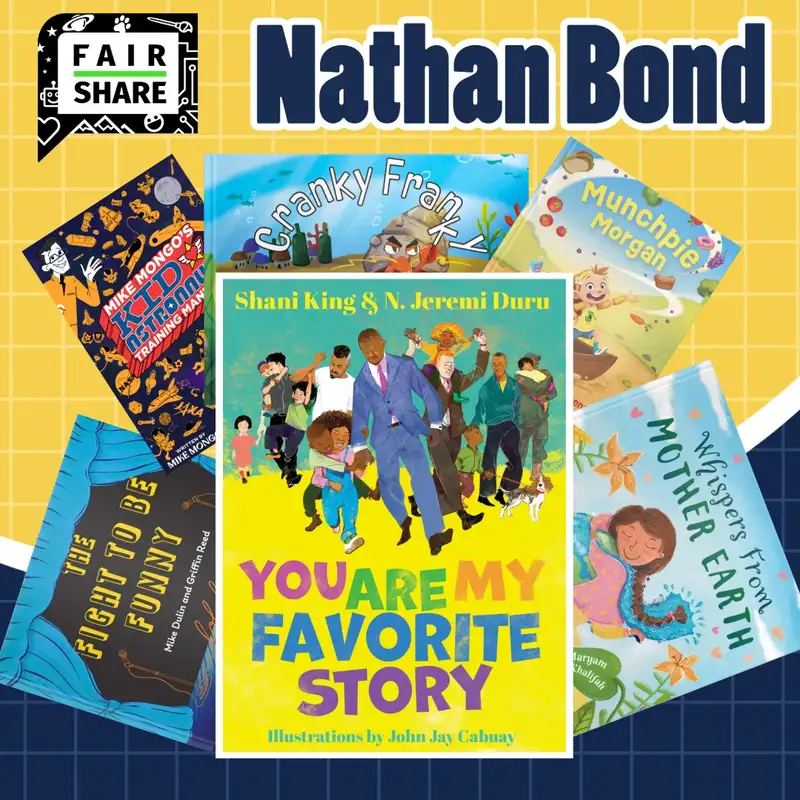
Nathan Bond - Rethinking Publishing Through Fairness, Transparency & Community

Episode Overview What happens when a successful artist and educator looks at the publishing industry and decides there has to be a better way? In this episode of The Premise, Jeniffer and Chad Thompson sit down with Nathan Bond, artist, educator, entrepreneur, and founder of Fair Share Publishing, an independent children's book publisher built around a simple idea: creators deserve a fairer share of the value they create. Nathan shares the story behind Fair Share Publishing, from his 28-year career as a figurative painter and illustrator and his years teaching at Parsons School of Design to witnessing talented children's book illustrators struggle financially despite their success. He explains how those experiences led him to rethink everything from royalty structures and payment schedules to printing, distribution, accessibility, and the relationship between publishers and creators. The conversation also takes a close look at You Are My Favorite Story, a children's picture book created by Shani King and Jeremi Duru and illustrated by John Jay. Nathan explains how the book came together, why its representation of fatherhood matters, and how thoughtful illustration can add layers of meaning that children discover over repeated readings. From the economics of publishing to social media, independent bookstores, libraries, and the future of children's books, this episode offers a fascinating behind-the-scenes look at what it means to build a publishing company around creators rather than simply around the bottom line. In This Episode Why Nathan Bond founded Fair Share Publishing The financial challenges facing even successful children's book creators Why traditional royalty and payment structures can make it difficult for creators to survive Fair Share's 50% net royalty model How real-time sales tracking gives creators greater financial transparency Why Fair Share initially operated as a direct-to-consumer publisher The environmental considerations behind Fair Share's printing and fulfillment model The supportive and collaborative culture of independent publishing The story behind You Are My Favorite Story Why the book focuses on helping fathers and male role models express emotion How illustration can communicate layers of meaning beyond the written text The importance of subtle visual details in children's books How QR codes extend children's books beyond the printed page Fair Share's "Listen, Learn and Play" approach Making books and educational materials more accessible to children, families, teachers, and libraries Why library distribution is so important for independent publishers The financial realities of producing high-quality children's picture books The role of social media in discovering and connecting with audiences How Fair Share supports independent bookstores Why community and collaboration matter in independent publishing What Fair Share looks for when reviewing authors' manuscripts and illustrators' portfolios How the company tries to make the publishing process more accessible to creators without agents A Different Approach to Royalties One of the most striking aspects of Fair Share Publishing is its approach to creator compensation. Nathan describes starting with the question of what would represent the maximum amount a publisher could realistically share with creators. The result was a 50% royalty rate on net revenue, with expenses such as payment processing clearly accounted for before the revenue split. Fair Share also designed a system in which creators can see their sales in real time and better anticipate their monthly payments. For Nathan, this transparency addresses a fundamental problem in the traditional publishing system: creators can struggle to budget when royalty payments arrive only every six months, nine months, or even longer. Supporting Libraries & Independent Bookstores Nathan explains why distribution has become increasingly important to Fair Share's mission. Libraries and schools can face significant restrictions on where they can purchase books, making it difficult for small publishers to reach these audiences without an established distributor. Fair Share has also taken an unusual approach to audiobook access for libraries. When a library purchases a physical book, it receives ongoing downloadable audiobook rights, reducing additional costs and administrative burdens for libraries. The company also actively supports independent bookstores. Nathan describes creating geographically targeted social-media advertising for bookstores that purchase Fair Share titles, using the publisher's marketing resources to help drive attention toward those local businesses. Advice for Authors & Illustrators Nathan also pulls back the curtain on Fair Share's submission process. Fair Share continually accepts illustrator portfolios, allowing the company to build a database of artists for future projects. Manuscript submissions are generally opened once a year because of the time required to evaluate them. The company has also used open calls to discover illustrators without requiring them to have an agent. Nathan describes this as part of Fair Share's effort to open doors for artists who might otherwise have difficulty entering the publishing industry. Perhaps most notably, Fair Share takes time to walk authors and illustrators through their contracts. Nathan personally meets with creators over Zoom to explain the terminology and answer questions—particularly important for creators who don't have agents representing them.
#118

Breaking the Silence: Susan Osborn on Incest, Language, Power, and Patriarchy

Episode Summary In this thought-provoking episode of The Premise, Jeniffer and Chad Thompson welcome award-winning author, educator, and cultural critic Susan Osborn to discuss her groundbreaking book, She's Such a Liar: Incest, Knowledge and Power—A Manifesto. Drawing on decades of research, Osborn explores how language, institutions, and cultural narratives have historically silenced survivors of incest while protecting systems of power. The conversation examines the importance of naming difficult realities, the role of history in shaping public understanding, and why language itself can determine what society chooses to acknowledge—or ignore. Susan also shares surprising historical research, personal experiences from academia, and her hopes for creating meaningful cultural change through education and dialogue. In This Episode Why Susan Osborn intentionally uses the word "incest" instead of euphemisms. The origins of the book title She's Such a Liar and how credibility is often weaponized against women. The relationship between patriarchy, knowledge, and institutional power. Historical examples of how medical, legal, and cultural institutions dismissed reports of incest. The story of Sigmund Freud's reversal of his early research on childhood sexual abuse. Why language shapes public awareness—and what happens when there are no words to describe a perpetrator. Humor as a tool for discussing difficult subjects. Susan's experiences being discouraged from researching incest during graduate school. Women's rights, historical progress, and recurring cultural backlash. How naming social problems is often the first step toward addressing them. The historical medical response to childhood gonorrhea epidemics and what it revealed about institutional denial. Susan's next research project on the historical construction of female shame.
#117

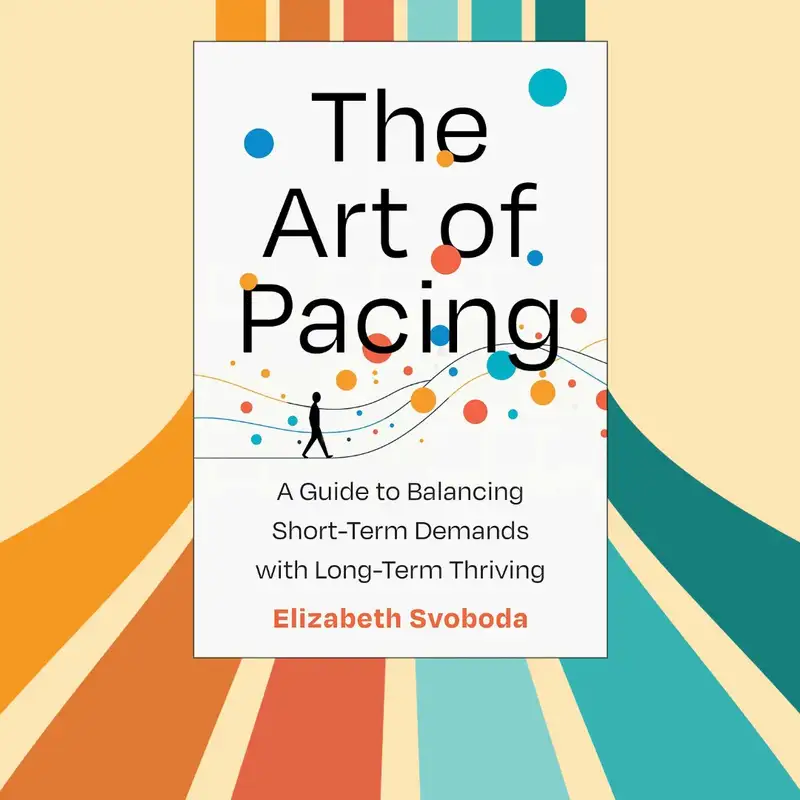
The Art of Pacing: Escaping Burnout & Finding Sustainable Success with Elizabeth Svoboda

What if working harder isn't the answer? Award-winning science writer Elizabeth Svoboda joins The Premise to discuss her new book, The Art of Pacing: A Guide to Balancing Short-Term Demands with Long-Term Thriving. Together, Jeniffer and Chad Thompson explore America's hustle culture, why traditional time management often fails, and how learning to manage your energy—not just your schedule—can help you avoid burnout and build a more sustainable, fulfilling life. Drawing from science, elite athletics, psychology, and personal experience, Elizabeth shares practical strategies for recognizing burnout, aligning your work with your natural energy rhythms, and giving yourself permission to rest without guilt. Whether you're an entrepreneur, creative, healthcare worker, executive, or simply feeling overwhelmed, this conversation offers actionable insights to help you thrive for the long haul. In This Episode  Why America's "always-on" work culture is pushing so many people toward burnout   The difference between time management and energy management  What elite athletes can teach us about sustainable performance   Why rigid productivity systems often backfire   Recognizing the warning signs of burnout before it's too late   How heart rate variability (HRV) can help you monitor stress and recovery   The science behind resonant breathing and calming your nervous system   Why taking longer breaks actually improves productivity   Breaking the cycle of deadline-driven work and chronic procrastination   The importance of building rest into your life—not earning it   Lessons the U.S. can learn from France's approach to work-life balance   How pacing creates more creativity, resilience, and long-term success  Key Takeaways  Productivity isn't about doing more—it's about managing your energy wisely.   Burnout doesn't happen overnight, and recovery often takes longer than we realize.   Your most important work should happen when your energy is naturally highest.   Rest is not laziness—it's an essential part of high performance.   Sustainable success comes from pacing yourself, not constantly pushing harder.
#116

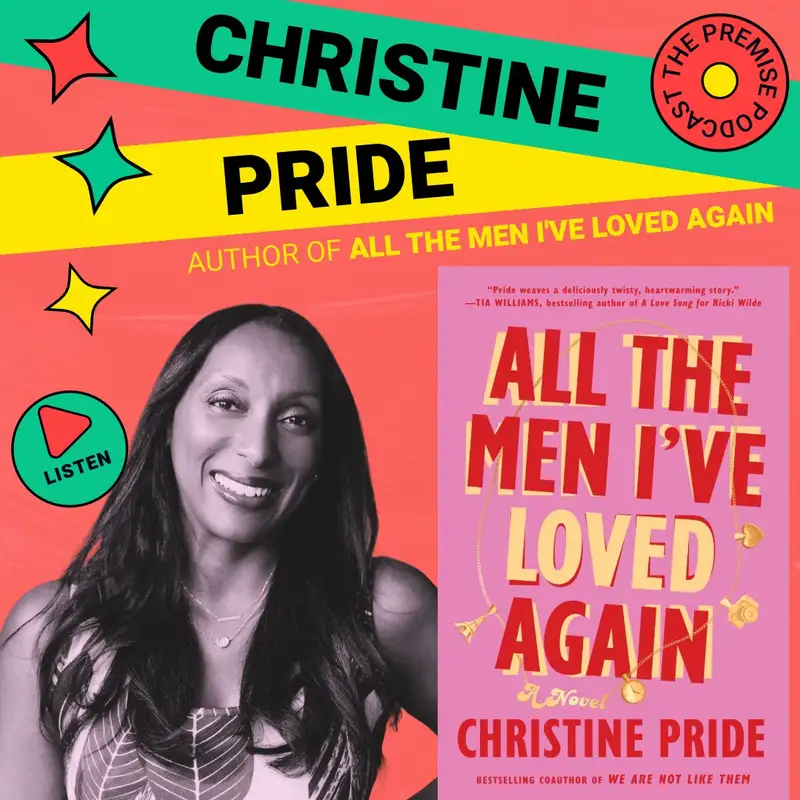
Christine Pride on Second Chances, Friendship, Publishing, and "All the Men I've Loved Again"

Episode Summary This week, Jeniffer and Chad Thompson welcome bestselling author, editor, and publishing veteran Christine Pride to discuss her solo debut novel, All the Men I've Loved Again. Christine shares the real-life inspiration behind the story, her journey from editor to author, the power of lifelong friendships, and what it means to trust yourself—in love, writing, and life. The conversation explores second-chance romance, coming-of-age experiences that continue well into adulthood, the realities of publishing, and why writers need both resilience and community. Christine also offers valuable advice for aspiring authors and shares insights into her collaborative work with co-author Jo Piazza. Whether you're a reader, writer, or hopeless romantic, this episode is packed with wisdom, humor, and heart. In This Episode: The inspiration behind All the Men I've Loved Again Why Christine was compelled to turn a personal experience into fiction Creating Cora: writing a character searching for love, identity, and belonging The importance of friendship as a central love story How childhood experiences shape self-confidence and relationships Writing authentic coming-of-age stories across multiple decades The nostalgia of the 1990s and pre-social media relationships Co-writing bestselling novels with Jo Piazza The differences between collaborative writing and solo authorship What editors really want from aspiring writers The value of trusted readers, critique partners, and developmental feedback Why writers must learn to trust their instincts Publishing myths, realities, and industry misconceptions Christine's coaching, retreats, and resources for writers
#115

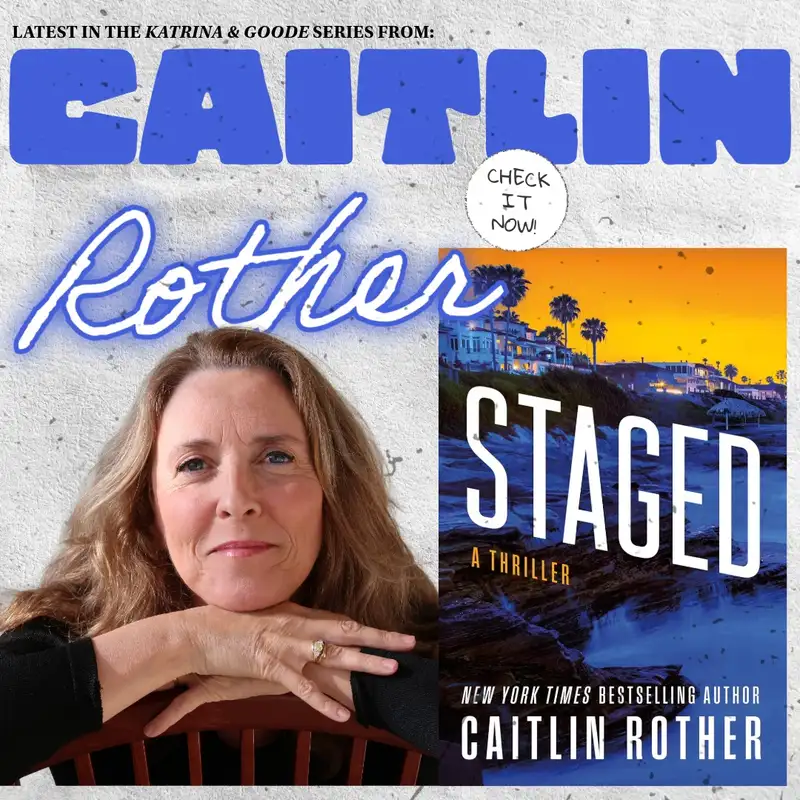
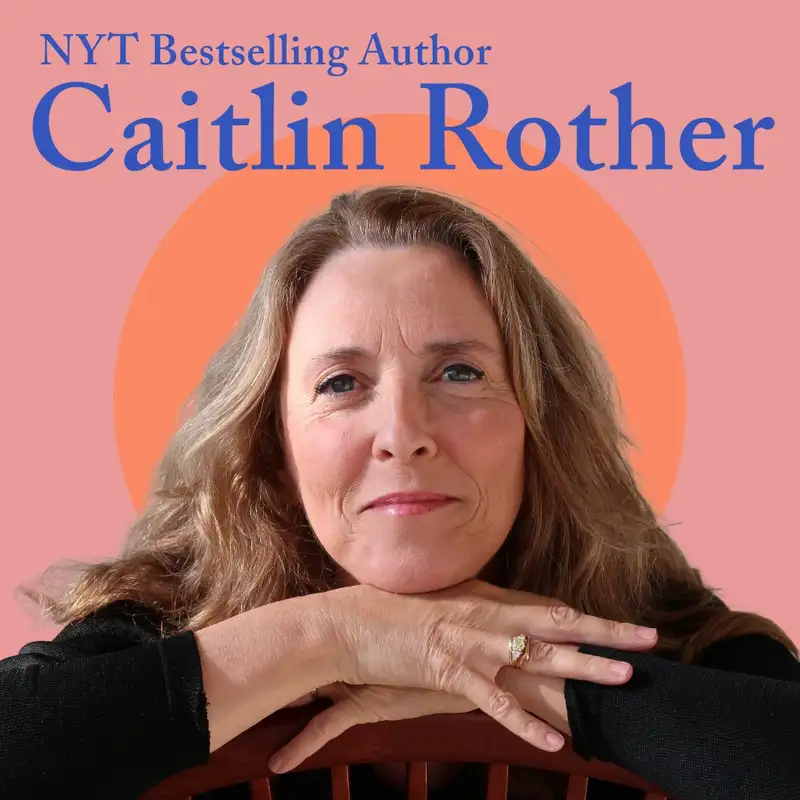
Caitlin Rother on her new book "Staged": Murder, Corruption, Journalism, and the Return of Katrina & Goode

Today on The Premise, Jeniffer and Chad Thompson welcome bestselling author Caitlin Rother back to the podcast to celebrate the release of Staged, the highly anticipated second installment in her Katrina and Goode thriller series. Picking up immediately after the events of Hooked, Staged dives deeper into corruption, suspicious deaths, investigative journalism, and the growing tension between reporter Katrina Sullivan and detective Ken Goode. Caitlin discusses her transition from award-winning investigative reporter to thriller writer, how real-life corruption cases inspire her fiction, the importance of journalistic ethics, and what readers can expect from future books in the series. In This Episode Why Staged can be enjoyed as a standalone novel despite being Book 2 The challenge of balancing action and backstory in thriller writing How modern publishing relies heavily on reader reviews, sales, and data Caitlin's experience writing Books 3 and 4 before publication decisions are finalized The fascinating true story behind her bestselling memoir My Life Deleted Why even accomplished authors continue learning through workshops, webinars, and beta readers How experts—including prosecutors, detectives, and therapists—help ensure realism in her novels The real-world science behind genetic genealogy and DNA databases The influence of the Golden State Killer Investigation on the series San Diego legends, including the famous "Munchkin Houses" of La Jolla The ethical dilemma at the heart of Katrina and Goode's relationship Journalism ethics: why reporters don't date sources or assist investigations Lessons from Caitlin's years covering government, crime, and corruption The real San Diego political scandal known as "Strippergate" and how it inspired elements of the series Why corruption is often harder to write than readers might expect Hints about the escalating stakes in Books 3 and 4
#114

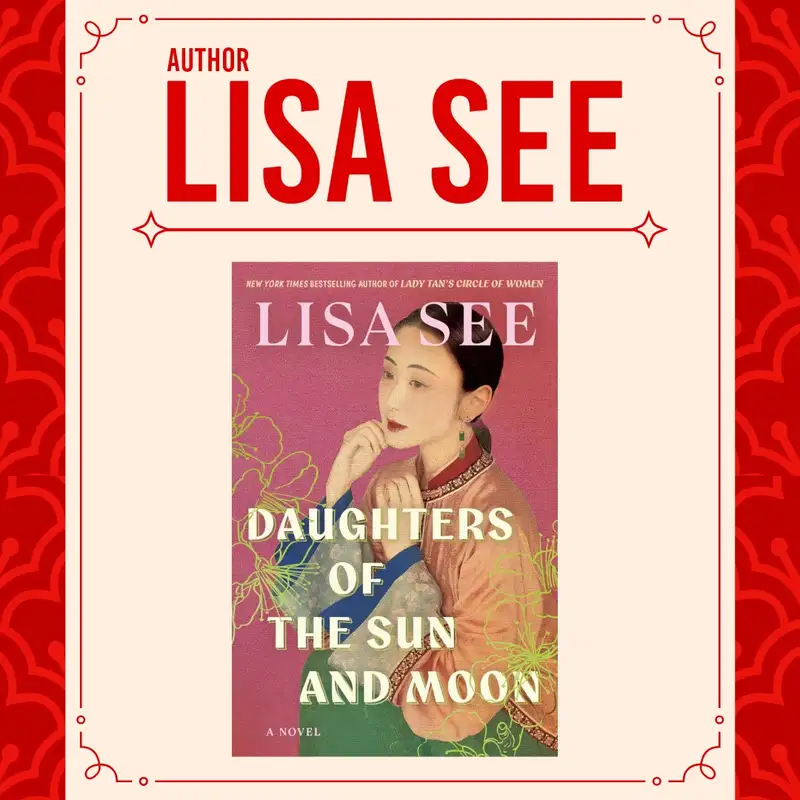
Lisa See on Daughters of the Sun and Moon, Historical Memory, and the Women Behind Los Angeles' Hidden History

Episode Summary Bestselling author Lisa See joins Jeniffer and Chad Thompson to discuss her powerful new novel, Daughters of the Sun and Moon. Inspired by real women who lived in Los Angeles during the 1870s, the novel explores friendship, resilience, identity, racism, and survival against the backdrop of the largely forgotten Chinese Massacre of 1871. Lisa discusses how her deeply researched historical fiction emerged from personal questions and themes she was grappling with in her own life. She explores why Los Angeles' violent early history has largely disappeared from public memory and how court records, photographs, and other historical documents helped shape the novel. Throughout the conversation, Lisa reflects on the importance of confronting difficult histories and what can be lost when we choose to forget them. In This Episode: Lisa See's Literary Brand  How friendship, family, and women's relationships became recurring themes across Lisa's novels   Why authentic storytelling creates a lasting author brand   The importance of writing from personal curiosity rather than market trends  The Inspiration Behind Daughters of the Sun and Moon  The true stories that inspired the novel's three main characters:  Dove, a young bride brought to Los Angeles in an arranged marriage   Moon, wife of a prominent Chinese physician   Petal, inspired by women sold into prostitution who fought relentlessly for freedom   Why Lisa wanted to tell this story through the eyes of women  The Chinese Massacre of 1871  The little-known tragedy that serves as the novel's historical centerpiece   How 10% of Los Angeles' Chinese population was murdered during one night of violence   Why historians consider it one of the largest mass lynchings in American history  A Different Los Angeles  Why 1870s Los Angeles was considered one of the most violent towns in the American West   How the city's leaders later worked to erase this history   Lisa's theory about why Hollywood's rise contributed to the public forgetting Los Angeles' violent past  Researching the Novel  Examining original court documents at the Huntington Library   Discovering handwritten maps, trial transcripts, and historical records   Testing whether Chinese medicinal herbs could actually be grown on a windowsill, just as they are in the novel  Chinese Medicine and Cultural Traditions  The role of traditional Chinese medicine in the story   Lisa's personal connection to Chinese medicine and acupuncture   The symbolic importance of immigrants carrying soil from their homeland  Lisa See's Writing Process  Why she writes the final line of every novel before beginning chapter one   How the ending rarely changes, even when the journey does   Her unusual reading habit: reading the first chapter and the last chapter before continuing a book  Themes of Memory and History  The importance of remembering difficult chapters of history   Connections between historical anti-Chinese violence and modern anti-Asian hate   Why societies continue to repeat patterns when history is forgotten  Aphorisms, Wisdom, and Structure  How a poem by Lao Tzu shaped the structure of the novel   Lisa's lifelong fascination with aphorisms   The timeless wisdom that transcends culture and generations 
Previous Page

Displaying 1 - 20 of 84 in total

Next Page