Here on The Premise, Jeniffer and Chad Thompson talk to storytellers of all types. From authors to musicians, poets, screenwriters, and comedians, we get down to the tiny grain of sand that becomes a pearl—getting to the story behind the storyteller. 
All Episodes
Latest Episodes

All Episodes
#119

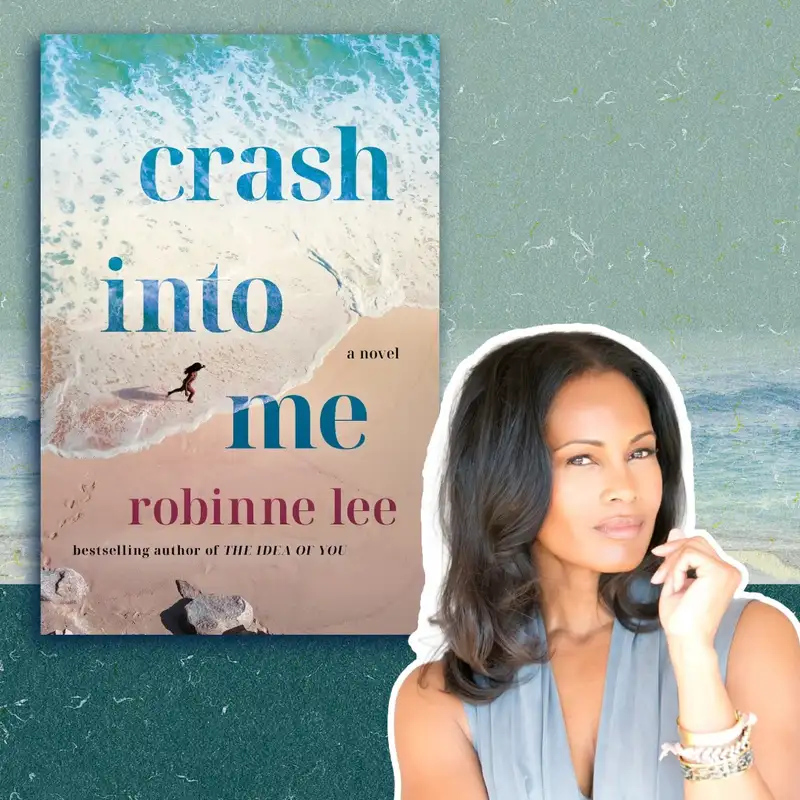
Robinne Lee - Author of "Crash Into Me" Live at Warwicks Books

The Art of Writing Crash Into Me In this episode, we sit down with the author of Crash Into Me for an intimate conversation about writing, beauty, identity, aging, relationships, and the creative life. Crash Into Me follows Cecilia Chen, a Jamaican Chinese photographer who has spent 20 years living in Paris before moving with her French filmmaker husband and their children to Los Angeles. Her new life is upended when a car accident brings her face-to-face with a woman from her past—and forces old memories and unresolved feelings back into the present. The conversation begins with a reading from the novel and then explores the inspiration behind the story, including the author's own experience in a frightening car accident that ultimately became the foundation for the book's opening. In This Episode The real-life accident that inspired the novel The author explains how a 2016 car accident became the seed for Crash Into Me. She was struck by another driver, her car collided with another vehicle, and three strangers ended up comforting one another after the accident. She later realized the incident was an ideal metaphor for the unexpected intersections between people's lives. Beauty as a commodity At the center of Cecilia's artistic work is an installation exploring women's ideas about beauty, aging, and the ways society consumes and evaluates women's bodies. The conversation examines what happens when someone who has been valued for her beauty begins to experience the world responding to her differently. Aging in the public eye The discussion takes a particularly personal turn as the author talks about aging as an actor and the strange experience of having strangers feel entitled to comment on a public figure's appearance. The conversation considers the difference between simply growing older and growing older while being watched. Representation matters Cecilia's Jamaican Chinese identity was an intentional choice. The author talks about growing up without seeing characters who reflected that specific cultural background in the books she read and wanting to create that representation for other readers. Paris vs. Los Angeles The novel's reverse culture shock reflects the author's own experiences moving between cultures. The conversation explores Paris, Los Angeles, diversity, public transportation, isolation, aesthetics, and the different ways cultures approach beauty and presentation. Creating Anouk The author discusses Anouk, the mysterious and self-possessed woman at the center of Cecilia's past. Her character was influenced in part by the author's experiences with the modeling world and an early-1990s video of Kate Moss that captured a particular combination of confidence, sensuality, youth, and unpredictability. Writing across two timelines The novel moves between 1996 and 2015–2017. The author explains why the present-day narrative is written in first person while the historical sections use third person, creating both separation for the reader and a distinction between Cecilia's potentially unreliable memories and what actually happened. The writing process Writing Crash Into Me took approximately five years, followed by about a year and a half of editing. The author describes working in Microsoft Word, writing in cafés, setting deadlines, and deliberately creating an environment where she can focus without the distractions of social media. Advice for writers For aspiring writers, the advice is straightforward: keep writing, write about what you love, and don't try to create and judge your work at the same time. Draft first; edit later. She also emphasizes the importance of taking the blank page seriously and raising the stakes of a story so that readers will remember it long after they finish. Key TakeawaysGreat stories can emerge from unexpected moments in real life.Beauty can be both a source of power and a form of social currency.Aging becomes particularly complicated when your appearance is part of your public identity.Representation can begin with simply creating the character you wish you had seen growing up.A change in setting can fundamentally change how a character understands herself.Multiple timelines can reveal different versions of the truth.Writers need space to create before they begin judging what they've created.The first book an author publishes is rarely the first book they've written.Passion for a subject can make the long process of writing and rewriting sustainable.A memorable novel should give readers reasons to return to it and discover something new. For Writers One of the most useful lessons from the conversation is the reminder that you cannot create and judge in the same moment. The author describes how writer's block became worse when she began criticizing every sentence as she wrote it. Her solution was to get the material onto the page first and save the judgment for the editing process. The larger message is simple: keep writing, write what you care about, and give yourself permission to create before you start editing. Topics Covered Crash Into Me · The Idea of You · Fiction writing · Writing process · Writer's block · Character development · Beauty and aging · Representation · Race and identity · Photography · Modeling · Paris · Los Angeles · Culture shock · Writing across timelines · Book adaptations · Writing advice · Creative careers
#118

Breaking the Silence: Susan Osborn on Incest, Language, Power, and Patriarchy

Episode SummaryIn this thought-provoking episode of The Premise, Jeniffer and Chad Thompson welcome award-winning author, educator, and cultural critic Susan Osborn to discuss her groundbreaking book, She's Such a Liar: Incest, Knowledge and Power—A Manifesto. Drawing on decades of research, Osborn explores how language, institutions, and cultural narratives have historically silenced survivors of incest while protecting systems of power.The conversation examines the importance of naming difficult realities, the role of history in shaping public understanding, and why language itself can determine what society chooses to acknowledge—or ignore. Susan also shares surprising historical research, personal experiences from academia, and her hopes for creating meaningful cultural change through education and dialogue.In This EpisodeWhy Susan Osborn intentionally uses the word "incest" instead of euphemisms.The origins of the book title She's Such a Liar and how credibility is often weaponized against women.The relationship between patriarchy, knowledge, and institutional power.Historical examples of how medical, legal, and cultural institutions dismissed reports of incest.The story of Sigmund Freud's reversal of his early research on childhood sexual abuse.Why language shapes public awareness—and what happens when there are no words to describe a perpetrator.Humor as a tool for discussing difficult subjects.Susan's experiences being discouraged from researching incest during graduate school.Women's rights, historical progress, and recurring cultural backlash.How naming social problems is often the first step toward addressing them.The historical medical response to childhood gonorrhea epidemics and what it revealed about institutional denial.Susan's next research project on the historical construction of female shame.
#117

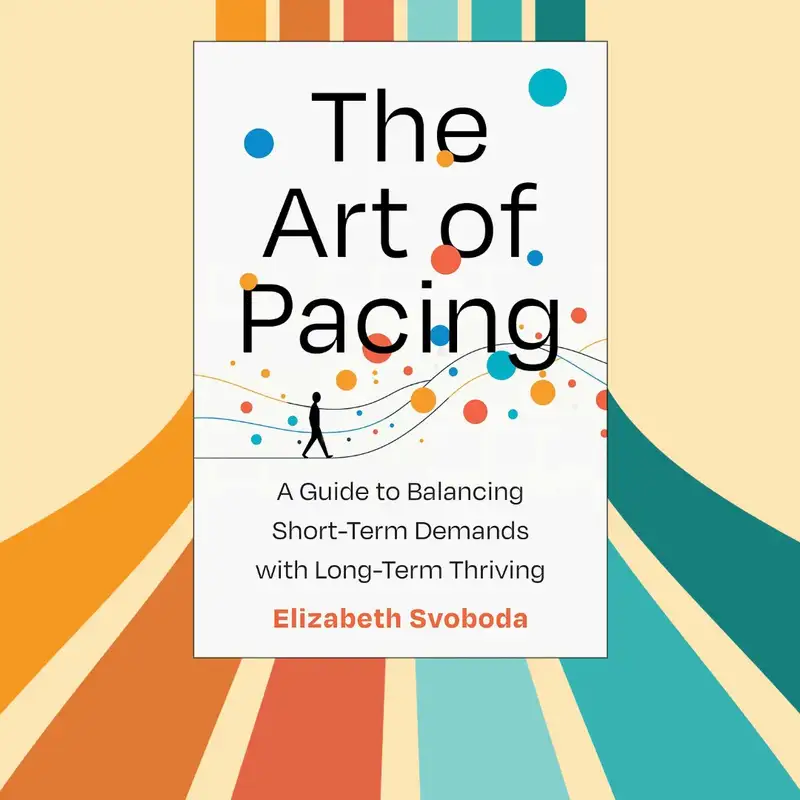
The Art of Pacing: Escaping Burnout & Finding Sustainable Success with Elizabeth Svoboda

What if working harder isn't the answer? Award-winning science writer Elizabeth Svoboda joins The Premise to discuss her new book, The Art of Pacing: A Guide to Balancing Short-Term Demands with Long-Term Thriving. Together, Jeniffer and Chad Thompson explore America's hustle culture, why traditional time management often fails, and how learning to manage your energy—not just your schedule—can help you avoid burnout and build a more sustainable, fulfilling life.Drawing from science, elite athletics, psychology, and personal experience, Elizabeth shares practical strategies for recognizing burnout, aligning your work with your natural energy rhythms, and giving yourself permission to rest without guilt.Whether you're an entrepreneur, creative, healthcare worker, executive, or simply feeling overwhelmed, this conversation offers actionable insights to help you thrive for the long haul. In This Episode Why America's "always-on" work culture is pushing so many people toward burnout  The difference between time management and energy management What elite athletes can teach us about sustainable performance  Why rigid productivity systems often backfire  Recognizing the warning signs of burnout before it's too late  How heart rate variability (HRV) can help you monitor stress and recovery  The science behind resonant breathing and calming your nervous system  Why taking longer breaks actually improves productivity  Breaking the cycle of deadline-driven work and chronic procrastination  The importance of building rest into your life—not earning it  Lessons the U.S. can learn from France's approach to work-life balance  How pacing creates more creativity, resilience, and long-term success Key Takeaways Productivity isn't about doing more—it's about managing your energy wisely.  Burnout doesn't happen overnight, and recovery often takes longer than we realize.  Your most important work should happen when your energy is naturally highest.  Rest is not laziness—it's an essential part of high performance.  Sustainable success comes from pacing yourself, not constantly pushing harder.
#116

Christine Pride on Second Chances, Friendship, Publishing, and "All the Men I've Loved Again"

Episode SummaryThis week, Jeniffer and Chad Thompson welcome bestselling author, editor, and publishing veteran Christine Pride to discuss her solo debut novel, All the Men I've Loved Again. Christine shares the real-life inspiration behind the story, her journey from editor to author, the power of lifelong friendships, and what it means to trust yourself—in love, writing, and life.The conversation explores second-chance romance, coming-of-age experiences that continue well into adulthood, the realities of publishing, and why writers need both resilience and community. Christine also offers valuable advice for aspiring authors and shares insights into her collaborative work with co-author Jo Piazza. Whether you're a reader, writer, or hopeless romantic, this episode is packed with wisdom, humor, and heart.In This Episode:The inspiration behind All the Men I've Loved AgainWhy Christine was compelled to turn a personal experience into fictionCreating Cora: writing a character searching for love, identity, and belongingThe importance of friendship as a central love storyHow childhood experiences shape self-confidence and relationshipsWriting authentic coming-of-age stories across multiple decadesThe nostalgia of the 1990s and pre-social media relationshipsCo-writing bestselling novels with Jo PiazzaThe differences between collaborative writing and solo authorshipWhat editors really want from aspiring writersThe value of trusted readers, critique partners, and developmental feedbackWhy writers must learn to trust their instinctsPublishing myths, realities, and industry misconceptionsChristine's coaching, retreats, and resources for writers
#115

Caitlin Rother on her new book "Staged": Murder, Corruption, Journalism, and the Return of Katrina & Goode

Today on The Premise, Jeniffer and Chad Thompson welcome bestselling author Caitlin Rother back to the podcast to celebrate the release of Staged, the highly anticipated second installment in her Katrina and Goode thriller series. Picking up immediately after the events of Hooked, Staged dives deeper into corruption, suspicious deaths, investigative journalism, and the growing tension between reporter Katrina Sullivan and detective Ken Goode. Caitlin discusses her transition from award-winning investigative reporter to thriller writer, how real-life corruption cases inspire her fiction, the importance of journalistic ethics, and what readers can expect from future books in the series. In This EpisodeWhy Staged can be enjoyed as a standalone novel despite being Book 2The challenge of balancing action and backstory in thriller writingHow modern publishing relies heavily on reader reviews, sales, and dataCaitlin's experience writing Books 3 and 4 before publication decisions are finalizedThe fascinating true story behind her bestselling memoir My Life DeletedWhy even accomplished authors continue learning through workshops, webinars, and beta readersHow experts—including prosecutors, detectives, and therapists—help ensure realism in her novelsThe real-world science behind genetic genealogy and DNA databasesThe influence of the Golden State Killer Investigation on the seriesSan Diego legends, including the famous "Munchkin Houses" of La JollaThe ethical dilemma at the heart of Katrina and Goode's relationshipJournalism ethics: why reporters don't date sources or assist investigationsLessons from Caitlin's years covering government, crime, and corruptionThe real San Diego political scandal known as "Strippergate" and how it inspired elements of the seriesWhy corruption is often harder to write than readers might expectHints about the escalating stakes in Books 3 and 4